Hunting & Trapping in Hamilton County, NY

Hunting in the Adirondacks’ Hamilton County

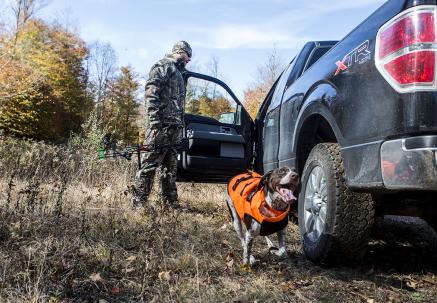
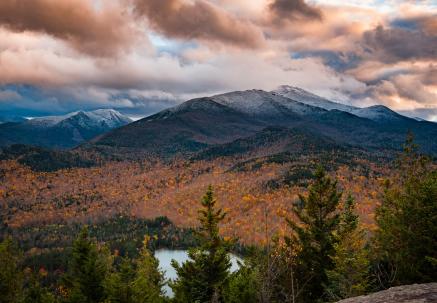
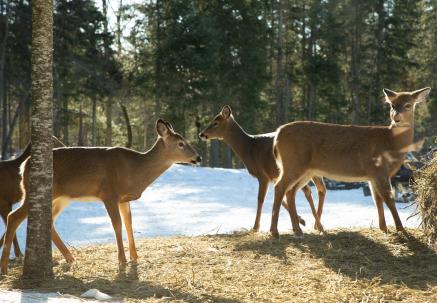
New York’s Northern Zone features deep woods and isolated waters that have rewarded hunters for centuries. White-tailed deer, black bears, grouse, turkeys, coyotes, and small game are just a few of the Adirondack wildlife found on one-million acres of public land here. Hamilton county is also home to hundreds of lakes and ponds, so waterfowl hunters routinely flock here to attempt to meet their bag limits for ducks, mergansers, geese, and brant. If hunting or trapping furbearers is the next hunting experience on your bucket list, this part of the Adirondacks also has eastern coyotes, bobcats, foxes, and more to take. For a comprehensive list of all the game animals along with their seasons, visit NYS DEC’s current hunting year’s schedule.

Where to hunt

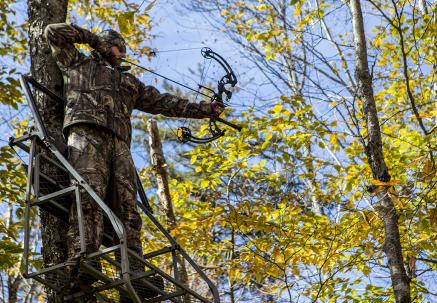
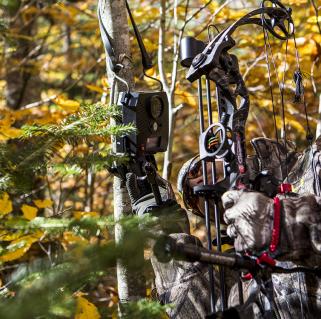
Public lands are plentiful in the Adirondacks and make for great hunting. The almost 80,000-acre Moose River Plains Complex, with seasonal roads and over 100 primitive campsites. Drive-up campsites along Limekiln Lake-Cedar River Road (a.k.a. the Moose River Plains Road) provide easy-access base camp locations for extended hunting trips. The Siamese Ponds Wilderness offers some of the finest hunting for those with a passion for a true backcountry wilderness hunt. Whether you’re waiting for a trophy buck in a treestand in Indian Lake or taking ducks from your blind outside of Inlet, this is the hunt you’ve been searching for.

Adirondack Hunting Guides

Before you rely on Google searches for “How to find a good hunting spot on one-million acres of public land”, consider hiring one of the hunting guides in Hamilton County. Besides having a vast knowledge of the land they offer their services on, some offer lodging and dining options as well. In addition to hiring a guide, it’s recommended that you familiarize yourself with New York’s hunting regulations along with any relevant information below provided by the New York State Department of Environmental Conservation.
Experience More

Package Blank

Speculator Guide Service

Formatted: 

(518) 548-7343

Raw: 

5185487343
Speculator, NY 12164
Adirondack Foothills Guide Service

Formatted: 

(518) 359-8194

Raw: 

5183598194
Tupper Lake, NY 12986

Leave No Trace 7 Principles

The Adirondack Park provides a haven of pristine wilderness in New York state’s northernmost reaches. It also offers an abundance of outdoor recreation opportunities for explorers of all ages and experience levels! While you enjoy your visit, please keep the Seven Principles of Leave No Trace in mind. Set forth by the Leave No Trace Center for Outdoor Ethics, and championed by many partners within the Adirondack Park, these principles will not only improve your own nature experience, but they help preserve this unparalleled natural wonder for generations to come.

1
Know before you go
 
 
Be prepared! Remember food, water, and clothes to protect you from cold, heat, and rain.     
Use maps to plan where you’re going. Check them along the way so you’ll stay on course and avoid getting lost. Learn about the areas you plan to visit.
2
Stick to trails and camp overnight right
 
 
Walk and ride on designated trails to protect trailside plants. Camp only on existing or designated campsites to avoid damaging vegetation.
3
Trash your trash and pick up poop
 
 
Pack it in, pack it out. Put litter—even crumbs, peels and cores—in garbage bags and carry it home. Use bathrooms or outhouses when available. If they're not available, bury human waste in a small hole 6-8 inches deep and 200 feet or 70 big steps from water and the trail.
4
Leave it as you find it
 
 
Leave plants, rocks, and historical items as you find them so others can enjoy them. Treat living plants with respect. Carving, hacking, or peeling plants may kill them.
5
Be careful with fire
 
 
Use a camp stove for cooking. Stoves are easier to cook on and create less impact than a fire. If you want to have a campfire, be sure it’s permitted and safe to build a fire in the area you’re visiting. Use only existing fire rings to protect the ground from heat. Keep your fire small.
6
Keep wildlife wild
 
 
Observe wildlife from a distance and never approach, feed or follow them. Human food is unhealthy for all wildlife and feeding them starts bad habits. Protect wildlife and your food by securely storing your meals and trash.
7
Share our trails and manage your pet
 
 
Be considerate when passing others on the trail. Keep your pet under control to protect it, other visitors, and wildlife. Be sure the fun you have outdoors does not bother anyone else. Remember, other visitors are there to enjoy the outdoors too.